Fresh Siguaraya Herb (Trichilia havanensis) – Cut or Rooted Plant


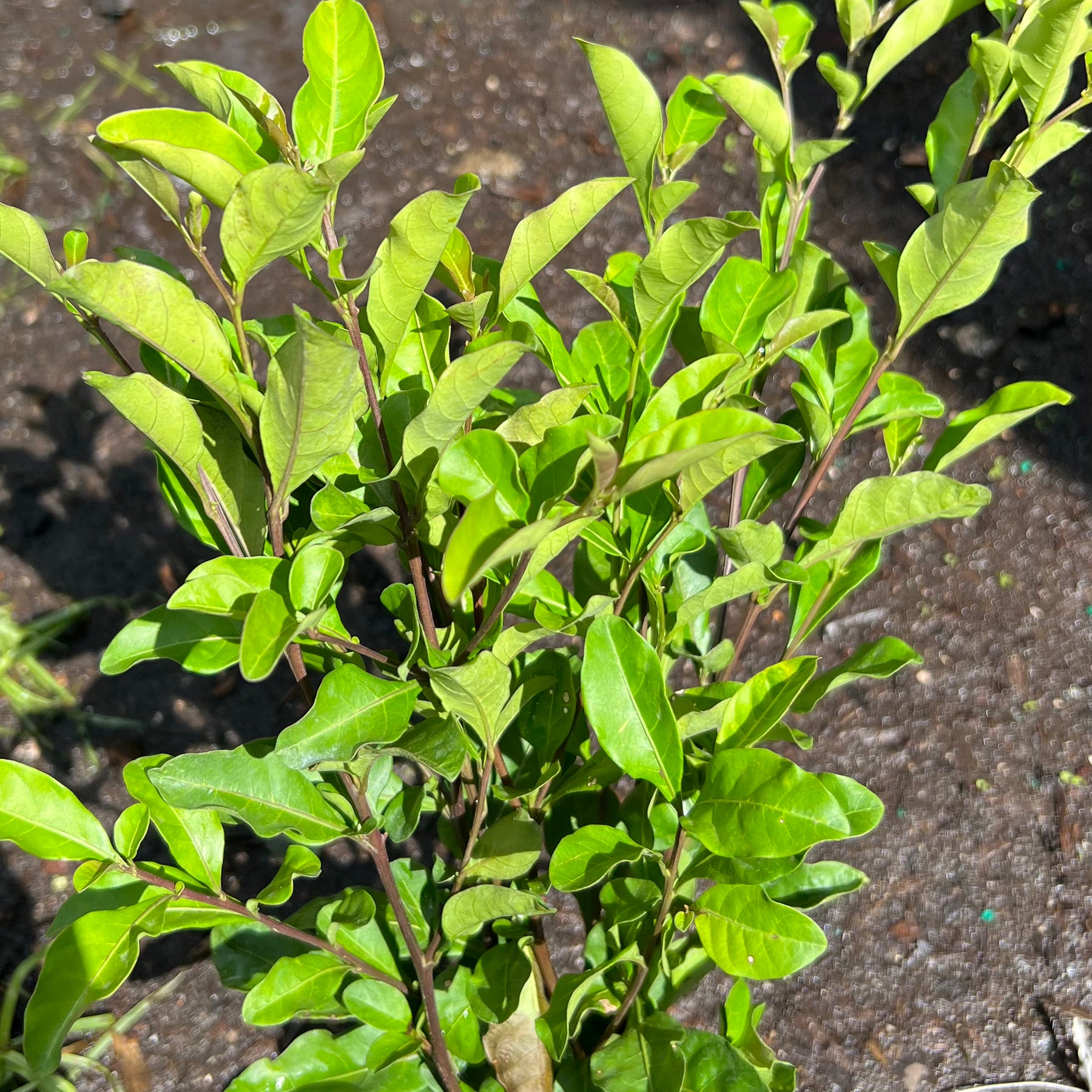
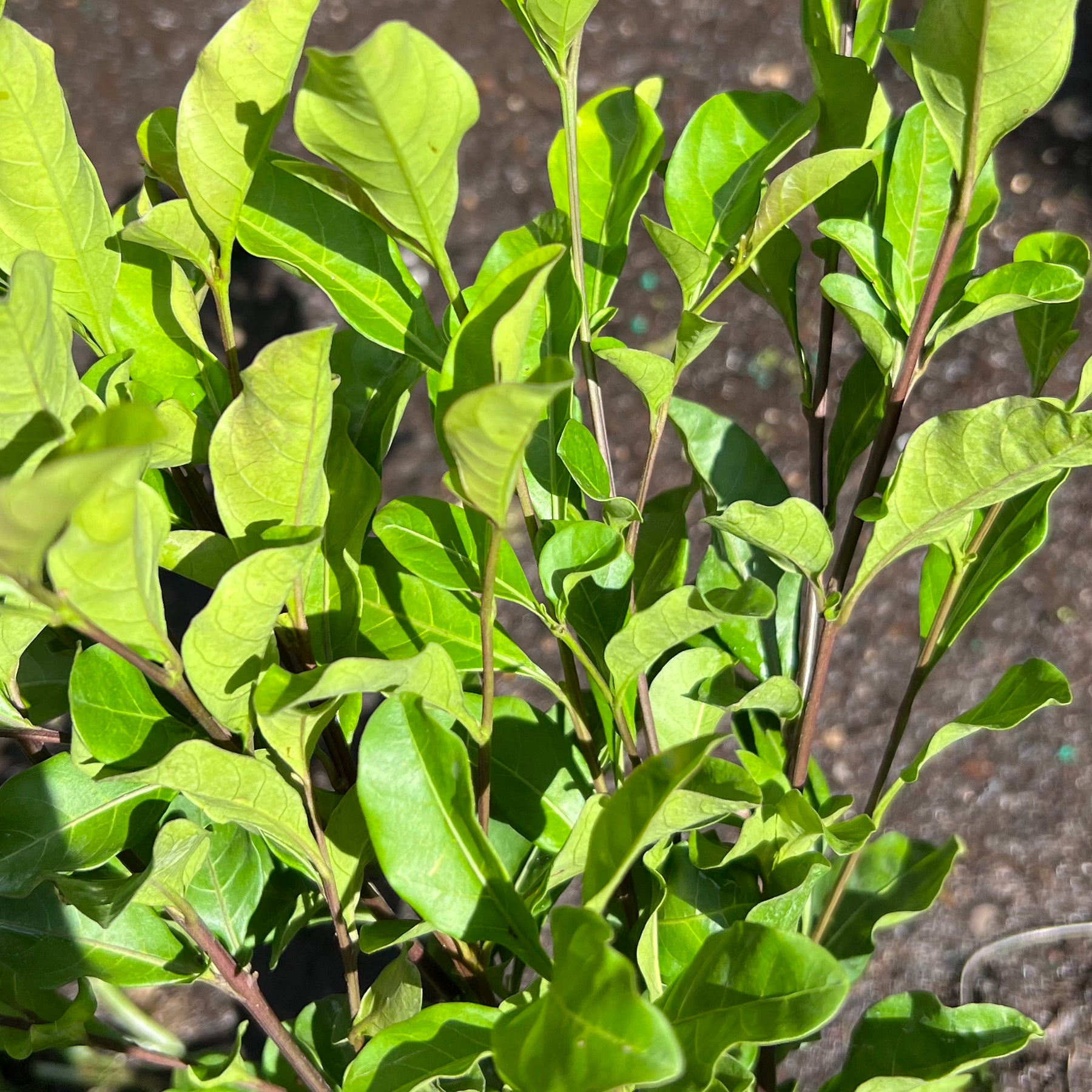


Fresh Siguaraya herb and Siguaraya plant for sale, available as a rooted plant for growing or as freshly cut branches and leaves for traditional spiritual work. Siguaraya is the Cuban name most commonly used for Trichilia havanensis, a tropical tree with glossy green compound leaves and deep importance in Afro-Cuban botanical and spiritual traditions. This product is supplied fresh, not dried.
Siguaraya is a tropical and subtropical tree in the mahogany family, Meliaceae. Its accepted botanical name is Trichilia havanensis Jacq. Regional names include Ciguaraya, Ciruelillo, Uruca and the English common name Bastard Lime. Although shoppers often search for “Siguaraya grass,” it is not a lawn grass or culinary herb; it is a woody plant that can develop into a medium-sized tree in a suitable warm climate.
The plant is recognized by its compound foliage: each leaf is formed by several smooth, oval-to-lance-shaped green leaflets. Mature trees may also produce small greenish-white flowers followed by capsule-like fruits. Young plants and freshly harvested branches do not always have flowers or fruit, so the exact appearance of every order naturally varies with the season and stage of growth.
In Cuban Lucumí, Santería and related Afro-Caribbean traditions, the Mata Siguaraya is respected as a spiritually significant tree. Traditional accounts closely associate Siguaraya with Changó or Shangó and also call it Siete Rayos. It is commonly referenced in work connected with spiritual cleansing, protection, strength, opening roads and inviting favorable opportunities.
These are traditional spiritual and cultural uses, not guaranteed outcomes. Ritual practices differ among houses, lineages and practitioners. If you are working within a specific tradition, follow the guidance of a trusted elder or qualified spiritual practitioner.
Choose this option if you want a living Siguaraya plant for replanting and continued growth. The plant arrives with an established root system. Size, branch count and leaf density vary because every plant is naturally grown. Unpack it promptly and allow it to acclimate before transplanting.
Choose this option for freshly harvested Siguaraya branches and leaves intended for immediate traditional or ceremonial use. This presentation does not include roots and is not sold as a propagation-ready plant. A fresh cutting may wilt naturally after harvest, and successful rooting is not guaranteed.
Shipping can temporarily stress a live plant. Minor leaf yellowing, curling or loss after transit can occur while it adjusts to new light, temperature and humidity.
Common names can refer to different plants in different regions. The photographs and botanical name on this listing are the primary references for the product offered.
Bastard Lime is an English common name recorded for Trichilia havanensis. Many English-speaking spiritual shops continue to use the Cuban name “Siguaraya herb” because it is the most recognized name in ritual commerce.
All three search terms are used, but botanically it is a woody plant that matures into a tree. The rooted version offered here is a young Siguaraya plant; the cut version consists of fresh branches and leaves traditionally sold as an herb.
Yes. Trichilia havanensis is the accepted scientific name for the plant commonly called Siguaraya in Cuba.
The rooted option includes a living root system and is intended for replanting. The fresh-cut option has no roots and is intended for prompt traditional or ceremonial use.
It is not sold as a guaranteed cutting for propagation. Choose the rooted option when your goal is to grow a living Siguaraya plant.
Not necessarily. Flowering and fruiting depend on maturity, season and growing conditions. Most orders are selected for healthy fresh foliage rather than flowers or fruit.
No. This product is sold for botanical growing or external traditional and ceremonial use only. It is not marketed as food, tea, a dietary supplement or medical treatment. Keep it away from children and pets, and consult qualified professionals before handling any plant in a way not described on this page.
Select the presentation that fits your purpose: Rooted Plant – With Root for growing, or Fresh Cut – Without Root for immediate traditional use. Your order will be prepared according to the option selected.
Important: Spiritual uses described above are based on traditional beliefs and cultural practices. No spiritual, medical or therapeutic result is promised. Plant appearance and viability can be affected by season, transit and local growing conditions.


